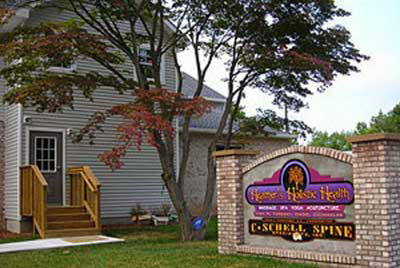










Welcome to Heather's Holistic Health
Indulge in the world of natural healing and balance to your body, mind, and spirit at Heather’s Holistic Health. Give your body the healthy gift of a reinvigorating, new treatment proved to provide stress relief, weight loss, reduced muscle tension and pain, and much more! Our team of trained professionals can connect your body and mind to relaxation, energy and Zen. Come and experience a new and better way of achieving health and wellness through the valuable information found on our wellness. CHECK OUT OUR NEW YOGA CLASS SCHEDULE
HOW TO SCHEDULE AN APPOINTMENT
* Call our office during the scheduled receptionist hours listed below
* Send a message through Facebook Messenger
* Click here to go to our Staff Page and book with your favorite therapist
Note: You will need to call our office to schedule acupuncture appointments, hypnosis, QRA, couples massage, and the Maxi Spa.
Front Desk hours
Monday - Out
Tuesday - 11 am - 3 pm
Wednesday - 10am - 5 pm
Thursday - 10 am - 3 pm
Friday - 10 am - 3 pm
Saturday - 9 am - 3 pm
Sunday - Out
Therapists hours
Monday - 7 am - 7 pm
Tuesday - 7 am - 7 pm
Wednesday - 7 am - 7 pm
Thursday - 7 am - 7 pm
Friday - 7 am - 7 pm
Saturday - 9 am - 5 pm
Sunday - 9 am - 7 pm
Thank you,
Heather’s Holistic Health
 Our bodies are like an orchestra; if one instrument is out of tune it throws off the entire symphony. This website is a valuable resource to fine tune your body by using holistic therapies to direct your body in a way that it can perform and play in harmony without the use of drugs or surgery. Preventative Health can help us to discover ways to nurture and heal our daily aches and pains. It can help us bring about physical and emotional changes, creating a feeling of wholeness in a way that makes a connection to our mind, body and spirit. Come and experience a new and better way of achieving health and wellness through the valuable information found on our wellness. -