


HOME :: ABOUT HEATHER'S :: OUR STAFF :: CONTACT US :: PRICING :: WHO'S HEATHER     
HEATHER'S SERVICES
Massage Therapy
Spas
  • Facials
  • Microdermabrasion
  • Pedicures
  • Spa Packages
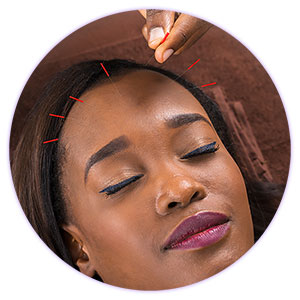
  • Acupuncture
    Cranio Sacral
    Holistic Intuitive Healing
    Ear Candling
    Energy Work
    Homeopathy
    Reflexology
    Our Staff
    For Men Only
    Menopause
    Holistic Counseling
    Chiropractic
    Weight Loss
  • The Approach
  • Hypnotherapy
  • Holistic Nutrition
  • Vitamins & Herbs
  • Nutrition Supplements
  • Energy Psychology
  • Acupuncture
  • Colon Hydrotherapy

  • ADDICTION THERAPIES
    What Is Addiction?
    Supplement Therapy
    Hypnotherapy
    Acupuncture Therapy
    Homeopathy Therapy
    Massage Therapy

    HEATHER'S HOLISTIC
    Classes
  • Pilates
  • Yoga
  • Yogalates
  • Yoga Postures
  • Belly Dancing
  • Exercise
  • Workshops
    Newsletter
    Our Pricing
    Contact Us
    Map & Directions
    Asana of the Month
    Relaxation or Corpse Pose

    Sanskrit name: Savasana
    Optional Props: blankets, pillows, eye bags
    Level of Difficulty: easy

    In Sanskrit, shava means corpse, hence the name of the posture shavasana. This posture is used at the end of each yoga session, bringing a nice closure and a deep sense of relaxation to the body, mind and spirit. Some yoga classes will also begin with this posture, helping one to prepare for the practice at hand.

    While this posture is rated as easy, its simplicity can prove to be deceiving. The goal in savasana is for the mind and body to be motionless and at ease, like a pond with no ripples. The result of practicing this posture is a deep and stable relaxation which will eventually extend into one’s meditation practice or even day to day activities.

    To enter into savasana or relaxation pose, lie on your back (supine position) with your legs apart, arms away from the body, palms facing up. If you have lumbar, or lower back problems, bend your legs at the knees, feet flat on the mat, and allow the knees to fall into each other. This leg position provides support and allows the lower body to achieve a more relaxed state. Props such as a rolled blanket or pillows may be used under the knees to keep the spine flat. Another prop that may be used is an eye bag placed over the eyes to further enhance one’s experience in this very important part of the overall yoga practice.

    Settled comfortably in savasana, allow your body to relax, using the suggestions from your yoga instructor to facilitate reaching this state of being. If you are practicing on your own, begin by doing a body scan and noticing any areas of stress or discomfort. Consciously allow these areas to release and relax, trying to work either from the top of your head or the tips of your toes.

    Remain in savasana for at least 5 minutes, or longer. If you feel yourself starting to go to sleep, deepen your breath. Being sleepy is one thing the will prevent you from gaining the benefits of this posture. Another obstacle to achieving a relaxed, yet rejuvenated state is a racing or restless mind. If you find yourself feeling unable to remain still due to your wandering mind, try bringing your focus to your breath. If the agitation continues, come out of this posture.

    To come out of savasana, slowly bring your awareness back into contact with your surroundings. Roll to your right side and remain in a fetal position for a few moments. When you are ready, come up to sit in easy pose or a cross-legged sitting position.


    Asana of the Month
    Child’s Pose

    Sanskrit name: Balasana
    Optional Props: blankets, pillows
    Level of Difficulty: easy

    Balasana is one of the more relaxing postures in yoga and is easily done by beginners. It is a seated forward bend that stretches and releases the spine and lower back. This posture can be used as a warm up pose, a resting pose, or a counter pose to any back bending postures. Balasana also stretches and relaxes the shoulders, neck and thighs.

    To enter into balasana, sit in simple seated posture or yoga mudra pose. This position is a seated posture in which you sit on your knees with your feet together, sitting bones resting on your heels. (Balasana can also be entered from table pose, an all-fours position.) Inhale, then exhale as you lower your chest over your thighs and, if possible, rest your forehead on the mat. Swing your arms around to your sides, palms facing up. Continue to breathe gently through your nose. With each exhale, allow the hips to release toward the heels, feeling the spine lengthening.

    To modify this posture, you may rest your forehead on your arms. This will help if you feel too much pressure on your forehead, or if your forehead does not reach the mat. The sitting bones, or buttocks may remain lifted if you are unable to bring this area down to the heels. A blanket or pillow may also be placed between the heels and sitting bones. Separating the knees wider than hip width apart can be useful if you are pregnant or very overweight.

    Balasana can also be performed as Extended Child’s Pose, which leaves your arms extended, elbows off the floor. This arm position brings a nice stretch to the sides of the body and the back part of the arm, or triceps area. Dropping the elbows and shoulders toward the floor while the arms are extended is another option.

    Hold this pose for 15 seconds to two minutes.

    To come out of balasana, inhale as you swing your arms around, place your hands to the mat and lift yourself to either simple seated posture or table pose.

    Although balasana is rated as easy, you should avoid balasana if you have uncontrolled high blood pressure. If you have knee problems, avoid this posture or use the suggested modifications and/or props.


    Asana of the Month
    Staff Pose

    Sanskrit name: Dandasana
    Optional Props: blankets
    Level of Difficulty: easy

    Staff position, or dandasana, is a sitting posture that can help you learn how to sit properly. In Sanskrit, danda means “staff” or “walking stick”. Practicing this posture can increase hip flexibility and help strengthen your lower back. Dandasana is a base, or starting pose for many seated forward bends.

    To enter into dandasana, sit on the mat with your back straight and your legs stretched out in front of you. Separate the fleshy part of your buttocks to ground the sitting bones into the mat and point the crown of your head to the ceiling, lengthening your spine. Lift the chest and place your hands beside your hips, fingers pointing forward. Activate your legs by contracting the tops of the thighs - the quadriceps - pulling the kneecaps toward the body. Flex your feet and press out through your heels. The feet may be either together or hip width apart and legs parallel. The back of your legs should be relaxed into the mat so your lower body feels firmly grounded.

    Hold this pose for 15 to 30 seconds.

    To modify dandasana due to back problems, sitting against the wall will help support the back. Another modification would be to relax the legs, knees slightly bent to allow the back to remain long and for the chest to remain lifted. If you have stiff hips, sitting on a folded blanket can help by raising your hips so your legs drop away from the pelvis. Sitting on a folded blanket may also help you from rounding your lower back.

    Dandasana is a good sitting posture to practice if you have arthritic knees and ankles. As always, use the suggested modifications and/or props as necessary in your home and classroom yoga sessions to enhance your practice of this base asana.


    Asana of the Month
    Boat Pose

    Sanskrit name: Paripurna Navasana
    Optional Props: none needed
    Level of Difficulty: intermediate

    Paripurna Navasana, or Boat Pose, is a challenging posture that strengthens the core spinal and abdominal muscles, improves balance and confidence, and stretches the backs of the legs. Practicing Paripurna Navasana regularly can be an empowering part of your yoga practice.

    From Dandasana or Staff Pose, bend the knees, bringing the feet flat to the floor. Shift your weight forward to sit firmly on your sitting bones. Keeping your shoulders relaxed and the chest lifted, reach behind the knees with each hand and lean back until the toes are just touching the mat, going into Baby Boat Pose. Stay here for a moment to focus on your alignment, ensuring that you are still on the sitting bones and have not fallen back on your tailbone. The chest, or heart center, should remain uplifted and the spine long. Balancing on your sitting bones, slowly begin to lift the lower legs until they are parallel to the floor and breathing steadily, release the arms to reach out towards the feet.

    Hold this pose for 2 to 6 breaths. To come out of the pose, reach behind the knees with both hands and release the feet to the floor.

    Beginners can stay in Baby Boat Pose, moving to the next step whenever they feel ready to explore the pose further. Another gentle introduction to Boat Pose is the Anchored Boat Pose. In Anchored Boat, lean back on your elbows from Dandasana with your hands pressing into the floor beneath the pelvis. Raise your lower back toward the sky and lift the feet off the floor from a few inches to knee height with legs parallel to each other and hip distance apart. Hold for several breaths then release the feet back to the floor.

    To go into Paripurna Navasana, Full Boat Pose, slowly straighten the legs reaching through to the heels, lifting as high as comfortable. Arms extend toward the feet. Keep the chest open, the shoulders relaxed and down, holding this pose for 2 – 6 breaths.

    Contraindications for Boat Pose are recent or chronic injury to the abdomen, hip flexors, low back pain, or pregnancy.


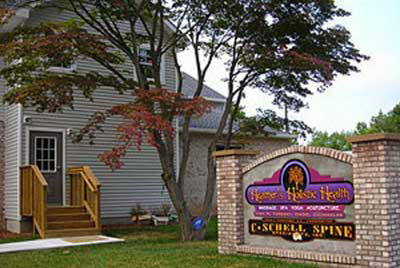
    Heather's Holistic Health
    1169 Walker Road, Dover, DE 19904
    302-678-3433